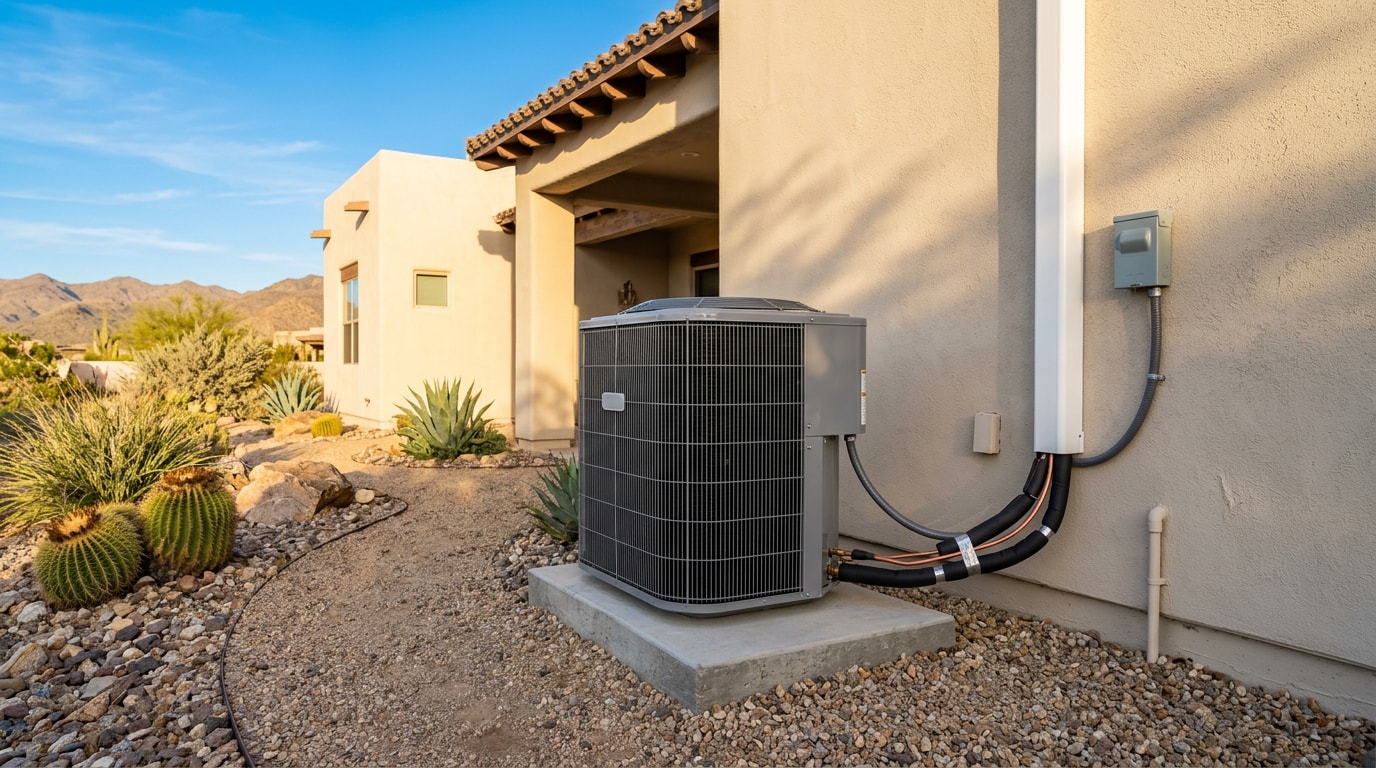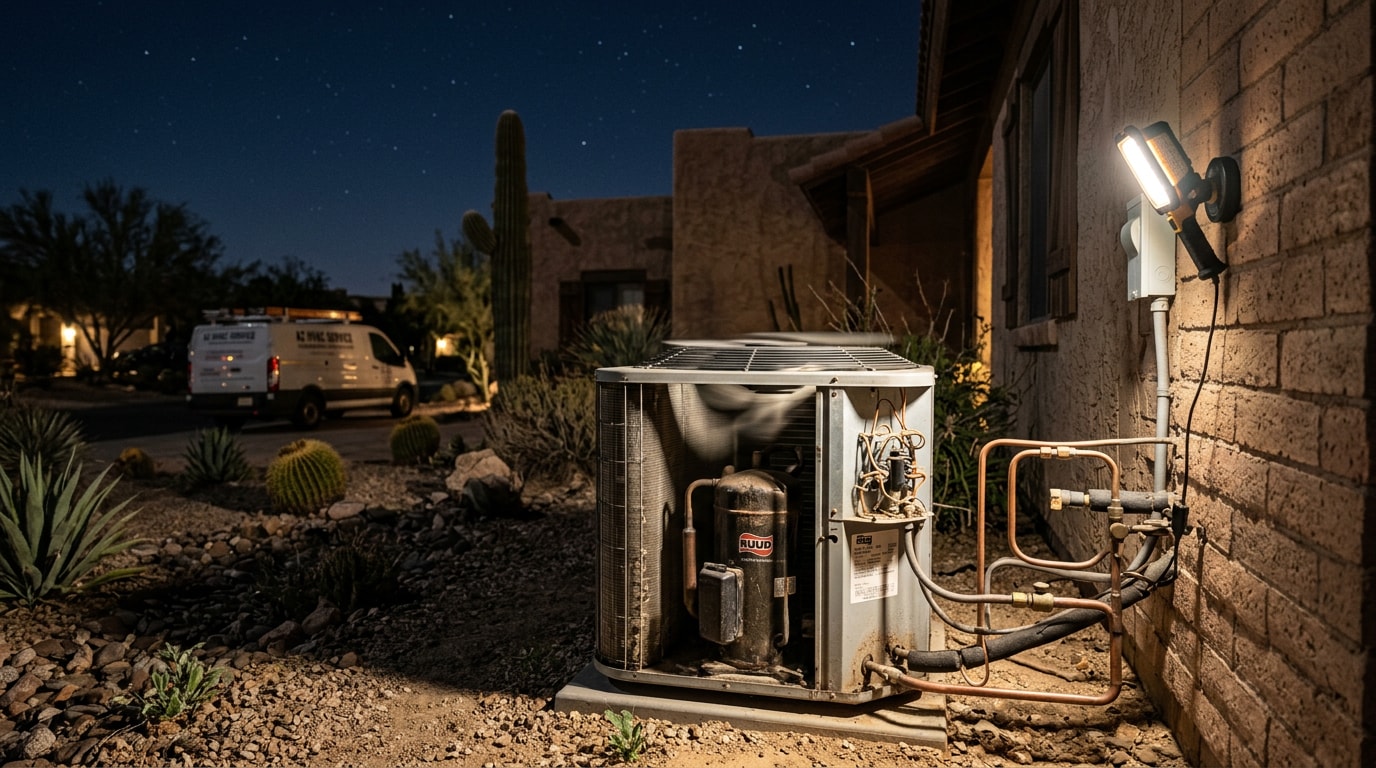
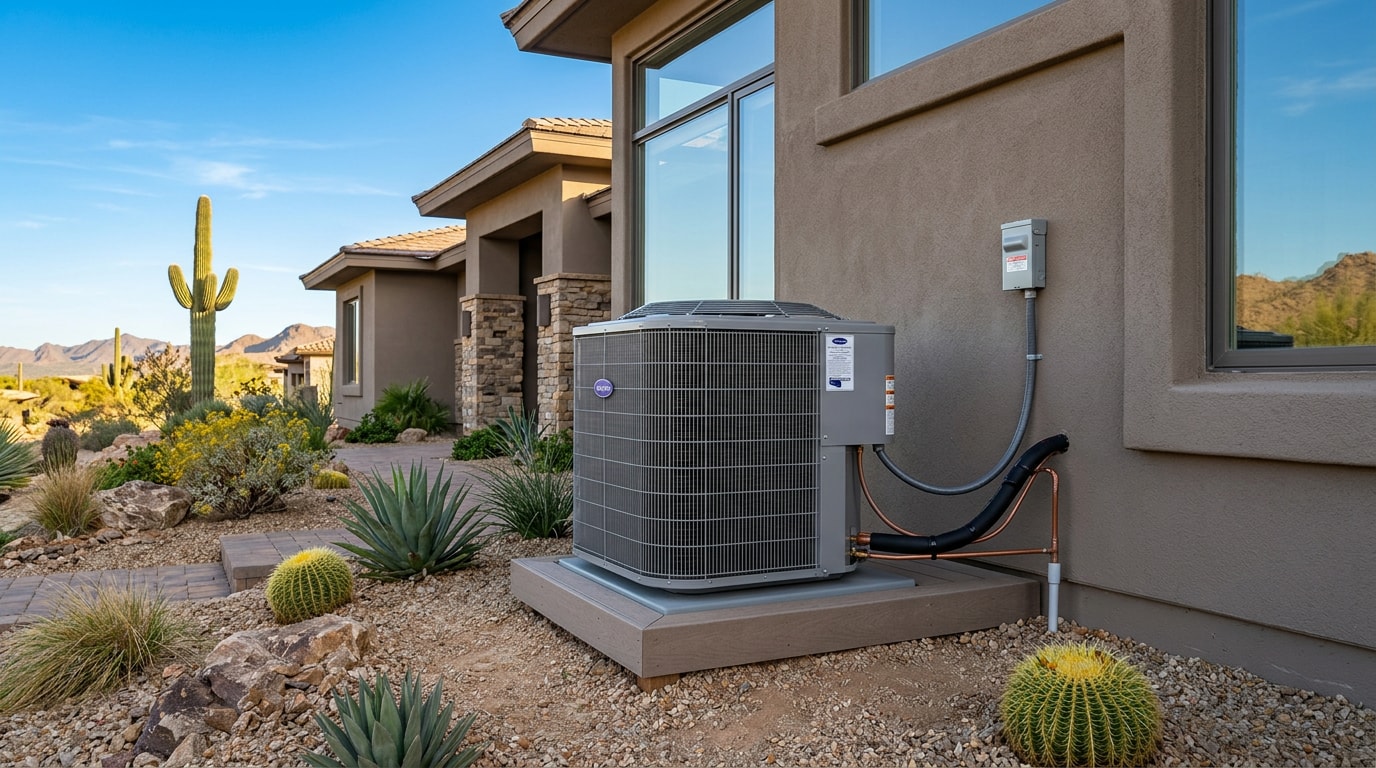
An ac warranty in Gold Canyon, AZ almost never means the one simple promise the brochure implies. It's usually three separate agreements stacked on top of each other, each with its own rules and deadlines. We've watched homeowners get told a compressor is "covered" and still walk away with a $900 bill for the same visit. Here's how the pieces actually fit together before you approve a repair or sign a replacement quote.
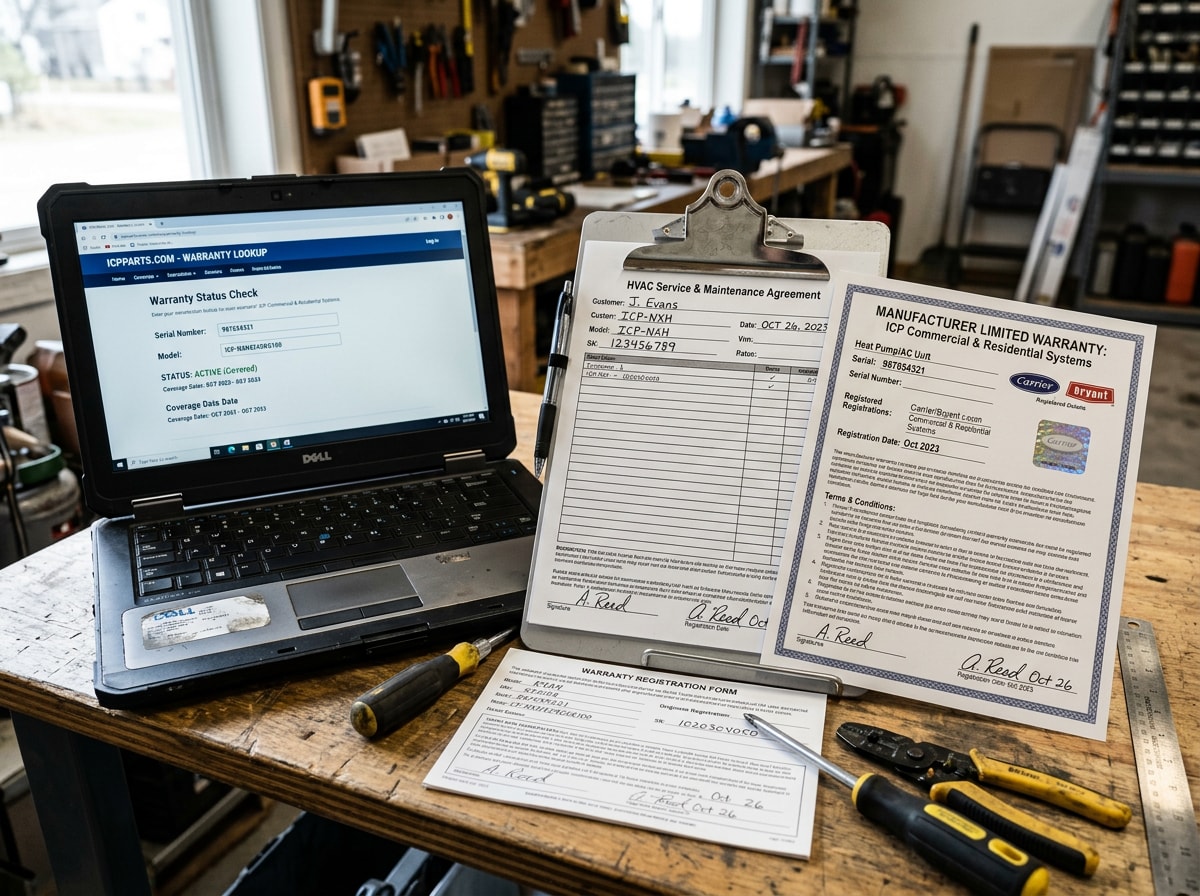
There's More Than One Warranty on Your HVAC System
What most homeowners call "my AC warranty" is really a bundle: a manufacturer's parts warranty, an installer's labor warranty, and sometimes an optional extended plan layered on top. Mixing these three up is the single biggest reason repair bills feel like a surprise.
The Manufacturer's Parts Warranty
This one comes directly from the equipment brand, Carrier, Trane, Lennox, Goodman, and others, and it covers defective parts. That means components that fail because of how they were built, not because of dust, age, or years of hard running in desert heat.
Standard residential terms run 5 to 10 years on parts, and some manufacturers offer lifetime compressor coverage on premium equipment lines. Those numbers assume the system was registered correctly, which we cover further down.
If you're comparing new systems, ask an AC installation and replacement specialist to show you the parts and compressor terms side by side before you choose equipment.
The Labor Warranty
Labor warranties come from the installing contractor, not the manufacturer, and they run much shorter. A typical contractor labor warranty lasts one to two years from installation.
That gap catches people off guard. Brands commonly advertise ten-year parts coverage on registered systems, while the original installer's labor coverage often runs out in year one or two. The number on the brochure isn't the whole story. It's the relationship between the parts warranty and the much shorter labor warranty attached to your specific installation that actually determines what a repair costs.
A workmanship warranty, covering mistakes made during the install itself rather than defective parts, sometimes gets bundled into this labor term or sold separately. It's worth asking about directly.
Extended Warranties
Extended warranties are optional add-ons purchased through your dealer, and many include labor coverage. Some manufacturers sell these in 5, 10, or even 12-year increments, which is a meaningful upgrade over the base one-to-two-year installer term.
These plans vary widely in price and length, so ask your installer to show the extended warranty terms in writing, including what happens if the dealer goes out of business, before paying extra for one.
What Does a Typical AC Warranty Cover?
A typical AC warranty covers factory-defective parts, including:
- Compressors
- Heat exchangers
- Blower motors
- Evaporator coils
- Control boards
- Capacitors
If one of these fails with no connection to misuse, the replacement part ships at no cost under the manufacturer's warranty.
Here's the catch almost nobody expects: a "free part" and a "free repair" are not the same sentence. The part arrives at no charge, but the technician who diagnoses the problem and installs the replacement still bills for that labor, unless the installer sold a separate labor plan or extended warranty covering it.
| Part | Typical Years Covered | Who Pays Labor |
|---|---|---|
| Compressor | 5–10 years (some lifetime on premium lines) | Installer or homeowner |
| Evaporator coil | 5–10 years | Installer or homeowner |
| Control board | 5–10 years | Installer or homeowner |
| Blower motor | 5–10 years | Installer or homeowner |
| Capacitor | 1–5 years (often shorter) | Installer or homeowner |
Manufacturers publish exact terms on their own documentation. Trane's warranty and registration page is a good example of how base and registered terms are spelled out before you assume a part qualifies.
What Does an AC Warranty Usually Exclude?
Refrigerant is the exclusion that surprises almost everyone. The coil holding the refrigerant may be covered, while the several hundred dollars of refrigerant itself is not, a detail many homeowners don't learn until they're staring at an invoice.
Common exclusions also include:
- Filters, belts, fuses, and in many cases thermostats
- Diagnostic fees and freight charges on the replacement part
- Damage from outside forces: lightning, flooding, rodents, dents, or relocating the equipment to a different address
Routine AC maintenance and tune-ups won't erase these exclusions, but documented maintenance matters if a manufacturer ever questions whether a failure was caused by neglect rather than a defect.
How Registration Deadlines Change Your Warranty Terms
The warranty length on the brochure usually assumes the system was registered on time. Missing that window is the most common way Gold Canyon homeowners unknowingly shrink their own coverage without realizing it happened.
Registered and Unregistered Terms Are Not the Same
Registering within the manufacturer's deadline, commonly 60 days from installation, unlocks the longer Registered Limited Warranty. Miss that window and the system defaults to the shorter Base Limited Warranty.
Registration windows vary by brand. Confirm the exact deadline using your manufacturer's own registration tool rather than guessing, since the difference between registered and unregistered terms can mean several extra years of coverage or several fewer.
What Voids an HVAC Warranty
Installation by an unlicensed contractor can void a warranty entirely. Manufacturers consistently require systems to be installed by a licensed HVAC professional as a condition of coverage, and national trade standards from the Air Conditioning Contractors of America back this up as standard industry practice.
That said, genuine voiding is rarer than some sales pitches suggest. A missed registration deadline shortens your terms, it doesn't erase them, and a single missed maintenance visit rarely voids parts coverage outright on its own. The word "void" gets used loosely in this industry, so slow down whenever you hear it rather than accepting it at face value.
Arizona homeowners can verify any contractor's license directly through the Arizona Registrar of Contractors, the state body overseeing HVAC licensing and a useful check before any major repair or installation.
Who Repairs Your AC Under Warranty?
Any licensed HVAC contractor can usually perform warranty repairs. You are not locked into using the original installer. The contractor claims the replacement part through the manufacturer's distributor, while the labor to diagnose and install it is billed separately unless a labor warranty or service plan covers it.
This matters most for homeowners whose original installer has closed, retired, or moved out of the area. Manufacturer parts warranties follow the equipment, not the company that installed it. A licensed AC repair contractor can confirm your coverage status using the system's serial number and registration record, regardless of who originally installed it.
Not sure where your system stands? Get a free estimate and we'll check your serial number against the manufacturer's records before recommending any repair.
Why Labor Exclusions Cost More in Gold Canyon's Desert Heat
The parts-versus-labor gap matters more here than in milder climates. AC systems in Gold Canyon run harder and longer through the cooling season, which means more service calls, and an uncovered labor bill turns from a one-time risk into a recurring cost.
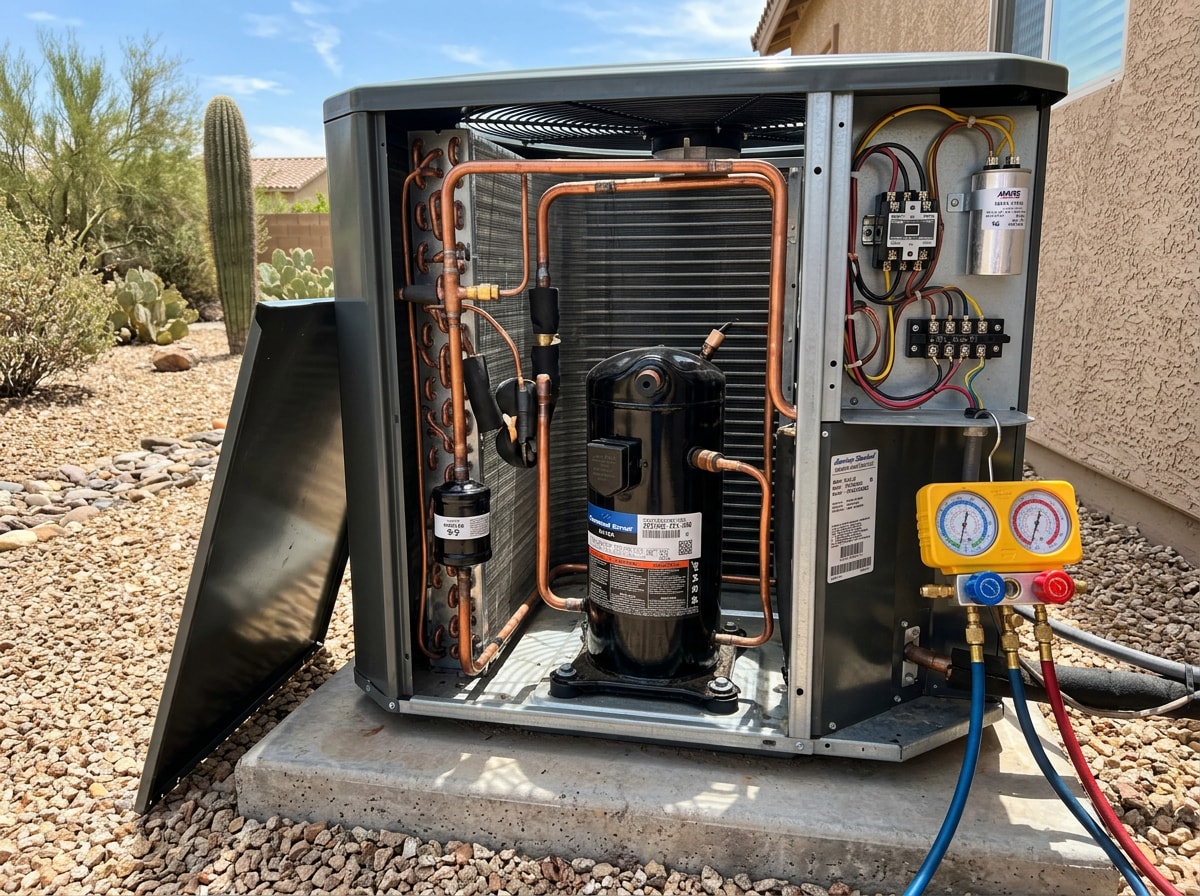
A Covered Compressor Can Still Create a Service Bill
Manufacturer parts coverage and installer labor coverage are genuinely separate promises. A covered compressor might cost nothing as a replacement part, while diagnosis, refrigerant top-off, travel time, and labor remain fully billable, often totaling hundreds of dollars even on a "free" part.
The normal high for the Phoenix/East Valley area sits at 107°F through peak summer, according to National Weather Service climate data. On our service calls, that kind of sustained heat load means compressors and capacitors cycle far more often than they would in a milder region, so the same registered warranty can mean more trips to the panel before the parts coverage ever expires.
About This Guide
Cobre Valley Air is a licensed HVAC contractor serving Gold Canyon and the surrounding East Valley. Our technicians file warranty claims with Trane, Carrier, Lennox, Goodman, and other major brands on a regular basis, which is how we've seen the parts-versus-labor gap catch so many homeowners off guard. Browse our recent projects or contact us with your system's serial number and we'll tell you exactly what's still covered before you pay for a diagnostic visit you don't need.
FAQ
Does an AC Warranty Cover Labor?
Almost never. The manufacturer's warranty covers the replacement part itself, while the labor to diagnose and install it is a separate cost, covered only by the installer's workmanship warranty (typically one to two years) or by an extended labor plan purchased separately at installation.
How Long Does an HVAC Warranty Last?
Ten years on parts is the common headline figure for systems registered within the deadline. Heat exchangers often carry twenty-year or lifetime terms for the original owner, and the coverage clock starts at installation, provided you can document that date.
Does an AC Warranty Cover Refrigerant?
Usually not. The coil that holds the refrigerant is typically covered if it fails from a defect, but the refrigerant charge itself is a separate cost that most manufacturer warranties exclude entirely.
Does a Home Warranty Cover HVAC?
A home warranty is a separate product from a manufacturer's AC warranty. Most home warranty plans include HVAC coverage for mechanical breakdowns for an added monthly or annual fee. It won't duplicate manufacturer parts coverage, but it can help with labor costs the manufacturer warranty leaves out. Check the plan's exclusions closely, since age limits and pre-existing condition clauses are common.
Do HVAC Warranties Transfer to New Homeowners?
Many manufacturer warranties do transfer to a new owner, though terms sometimes shorten after a sale and some brands require a transfer registration and fee within a set window. Buyers of existing Gold Canyon homes should confirm transfer status directly with the manufacturer rather than assuming the original coverage carries over automatically.