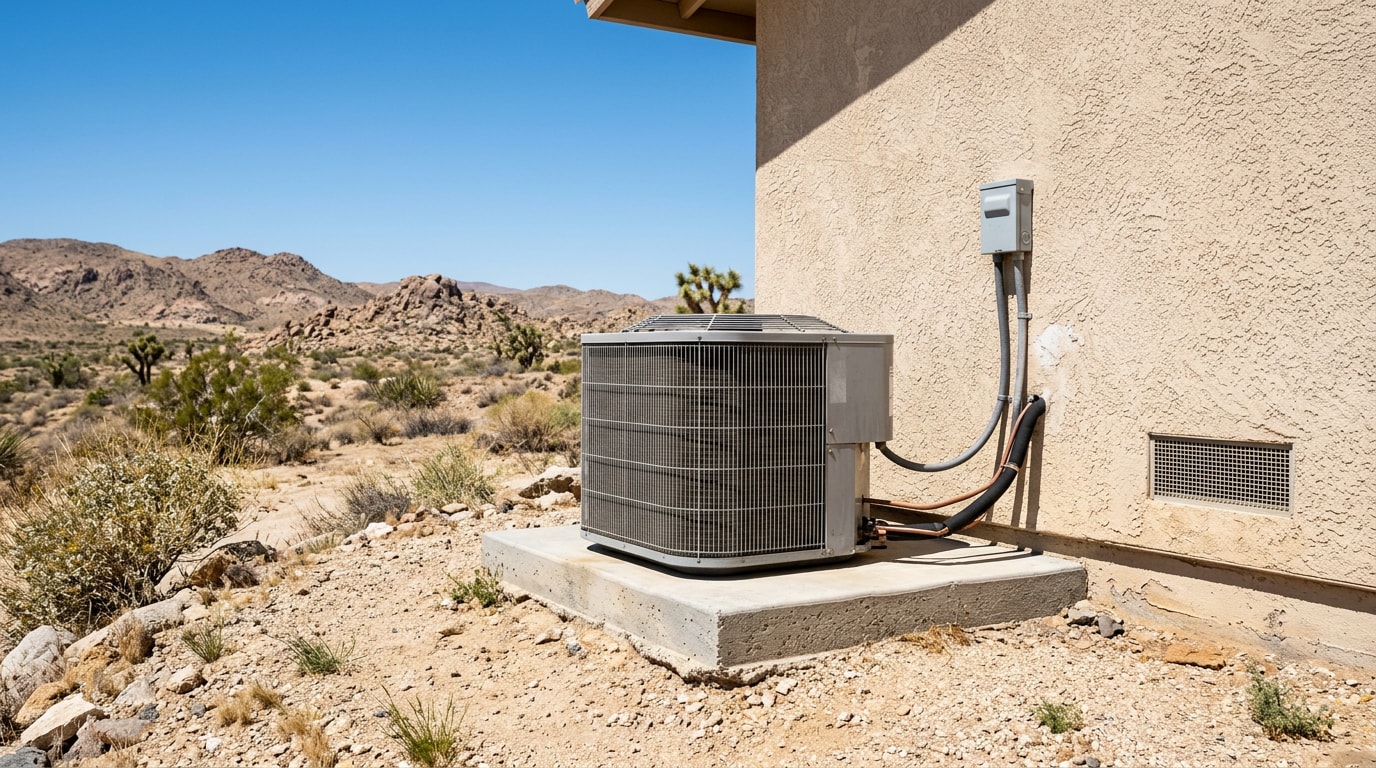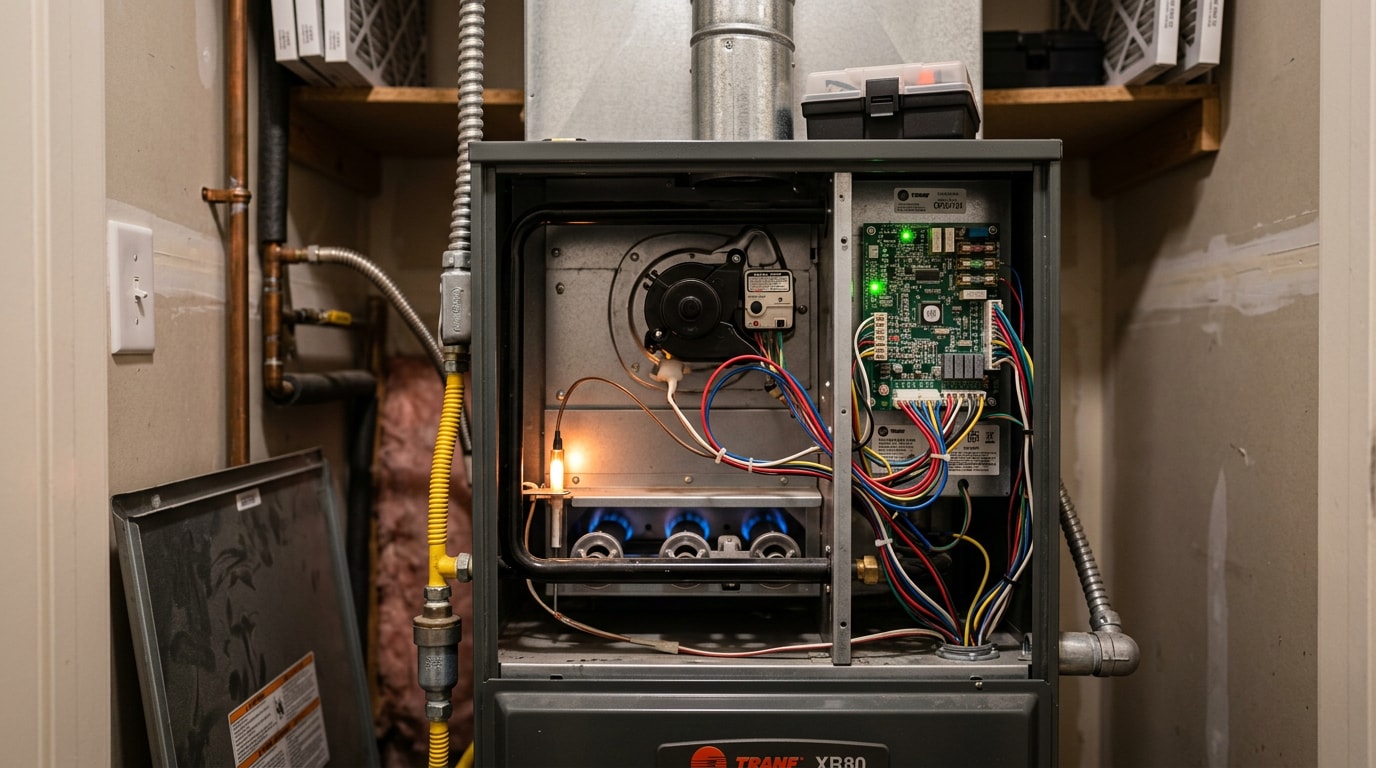
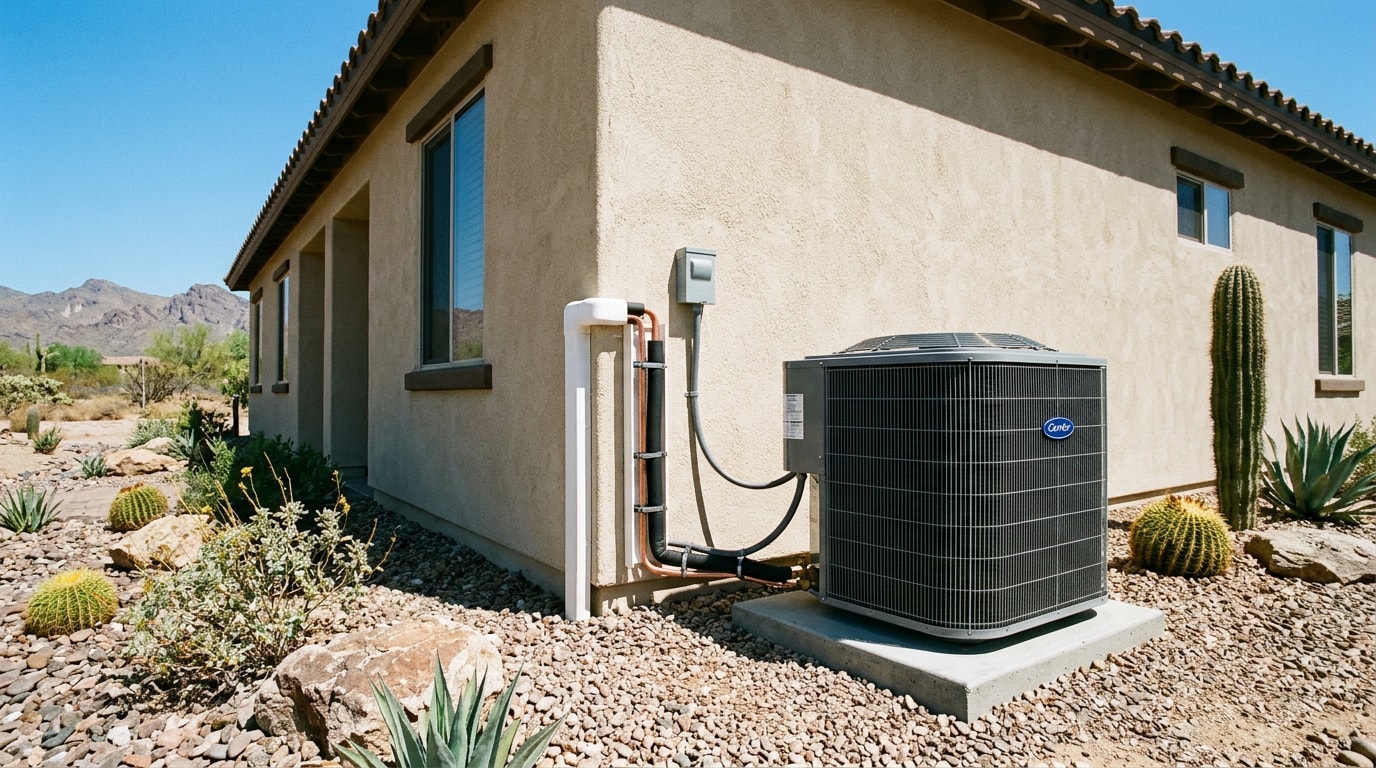
If you're asking what is the best heating and air conditioning unit for a Mesa, AZ home, the honest answer starts with climate, not brand names. Mesa's long, scorching summers and mild winters put unusual demands on equipment that performs fine in milder states. This guide walks through system types, trusted manufacturer lines, correct sizing, and real cost factors, so you can make a confident decision before you call an installer.
Why Mesa's Climate Demands a Heating and Cooling System Built for Extremes
Mesa doesn't just get hot. It stays hot for months at a time, and that kind of sustained heat load is exactly what breaks undersized or poorly matched equipment.
This isn't a comfort issue alone. Heat-related fatalities in Maricopa County, Arizona increased from 61 deaths in 2014 to 645 in 2023 , which is why public health agencies treat reliable home cooling as a safety issue, not a luxury.
Fine desert dust and intense UV exposure also wear down coils and outdoor cabinets fast. Equipment designed for a four-season climate often struggles here within a few years.
After years of service calls across the East Valley, we consistently see the same failure pattern: condensers mounted on west-facing walls or in unshaded side yards die years before units placed in shadier spots, even when both are the same age and brand.
That real-world wear is why the best heating and air conditioning unit Mesa AZ homeowners choose starts with equipment rated for this exact stress, not just a quiet showroom demo. Our air conditioning services are built around that reality.
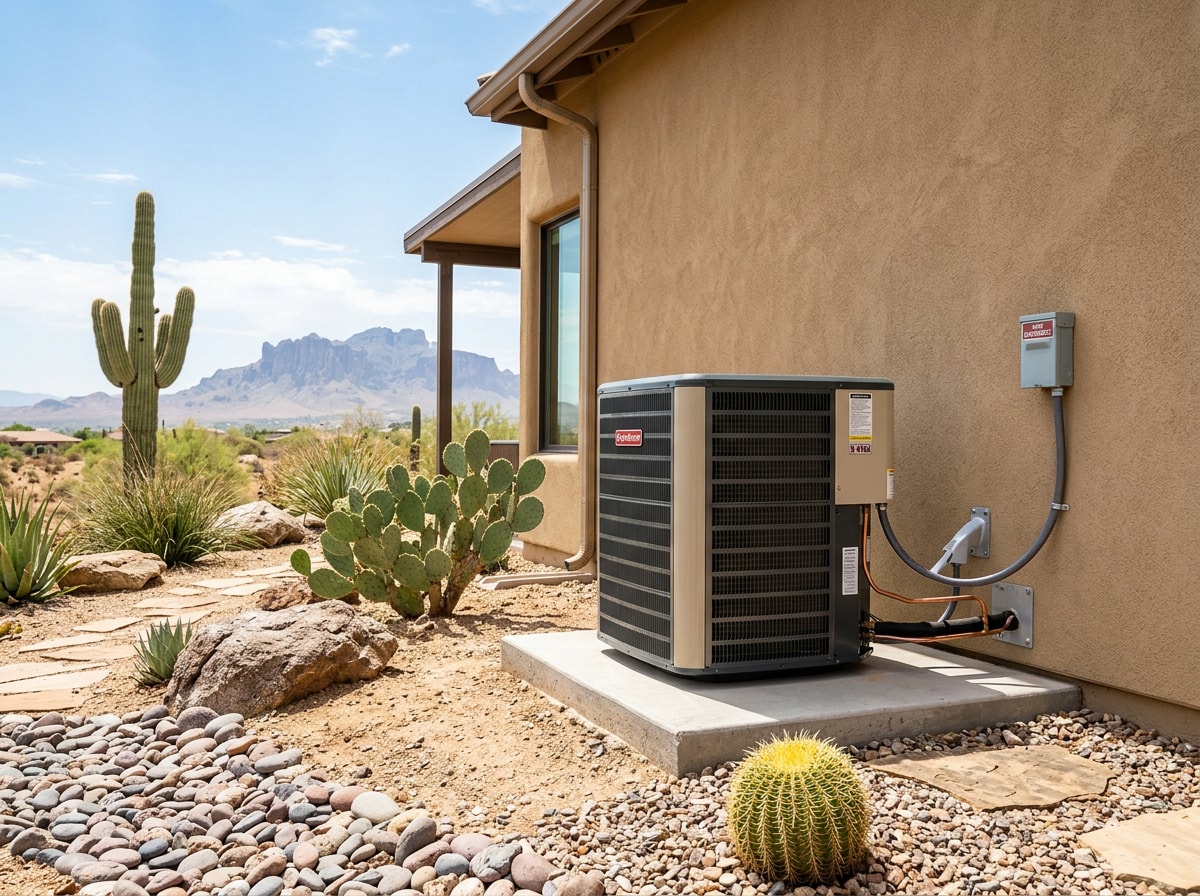
Types of Heating and Cooling Systems for Mesa Homes
Mesa homeowners typically choose between three setups:
- Central air conditioning paired with a furnace — the standard setup for homes with existing ductwork.
- A heat pump that both heats and cools from one outdoor unit.
- Ductless mini-splits for specific rooms or additions.
Each handles Mesa's heat and occasional cool nights differently. The right pick depends on your home's layout, existing ductwork, and comfort priorities.
Why a Heat Pump Often Makes Sense in Arizona
A heat pump works like an air conditioner in summer and reverses itself in winter to provide heat. That's one dual-purpose system instead of two separate ones.
Mesa winters rarely dip below freezing, so backup electric heat strips sit idle most years. For homeowners chasing year-round efficiency, a heat pump often pencils out better than replacing a furnace and AC separately. Our heating systems team can walk through whether that math works for your home.
When Ductless Mini-Splits Make Sense
A ductless mini-split earns its keep when one room runs hotter or colder than the rest of the house. Think of a converted garage, a sunroom, or an addition built after the original ductwork went in.
Each indoor unit operates independently, so zoned cooling becomes simple. You only cool the space in use. For homes without existing ducts, mini-split installation avoids the cost of adding ductwork during a renovation.
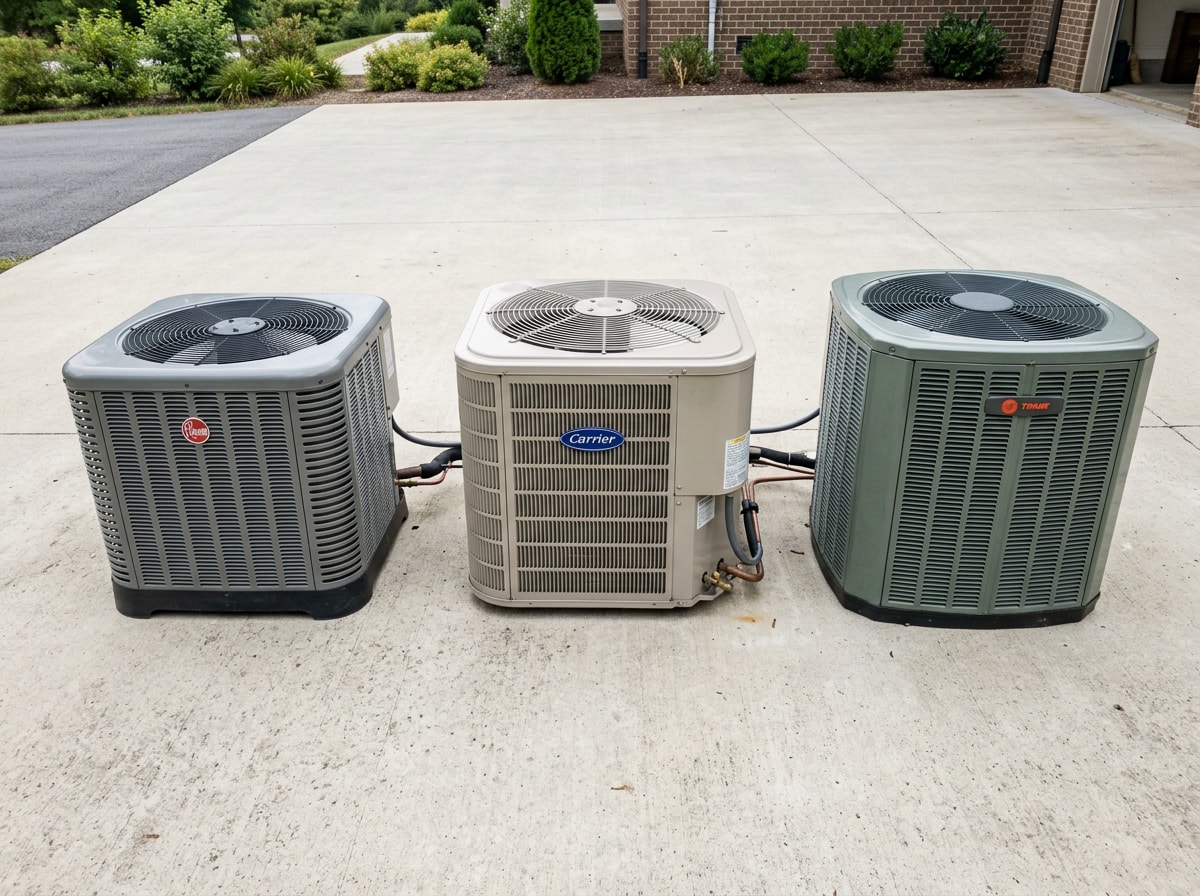
Best AC Brands for Mesa's Desert Climate
No single manufacturer owns the title of best AC brand in Arizona. A handful of lines consistently perform well here because of corrosion-resistant coils and compressors rated for extended high-heat operation.
| Brand | Known For | Best Fit |
|---|---|---|
| American Standard | Durable builds, quiet operation | Homeowners who want long service life over flashy features |
| Bryant | Strong efficiency ratings, solid warranty coverage | Budget-conscious buyers who still want a tiered warranty |
| Carrier | Balance of noise level and upfront cost | Homes needing a dependable mid-tier option |
None of these is automatically right for every home. The better question is which efficiency tier fits your budget and how your installer sizes the unit. A properly sized system from any of these three lines typically outperforms an oversized unit from a less-established brand, regardless of sticker price.
Matching the System to Your Mesa Home
Brand matters less than matching the system to your house. A single-story 2,500-square-foot home has different airflow needs than a two-story home with upstairs bedrooms that bake by afternoon.
Start by setting a SEER2 efficiency target. Air Conditioner Minimum Efficiencies are 13.4 SEER2 in the North Region and 14.3 SEER2 in the South/Southwest Region , and Arizona falls in that Southwest tier. Higher efficiency costs more upfront but pays back faster when a system runs most of the year, which is standard here.
From there, weigh whether central air, a heat pump, or a zoned ductless setup fits your existing ductwork. Our efficient cooling page breaks down those tradeoffs by floor plan.
Getting the Right System Size: Why Square Footage Isn't Enough
Square footage alone doesn't determine correct unit size. A proper load calculation accounts for insulation levels, window orientation, ceiling height, and how much direct sun your walls absorb during Mesa's long cooling season.
ACCA's Manual J Residential Load Calculation is the ANSI standard for producing HVAC systems for small indoor environments , and it remains the only recognized method for accurate residential sizing. Skipping this step often results in a unit that short-cycles or runs constantly without properly dehumidifying the house.
Our comprehensive assessments walk through that calculation room by room instead of guessing from a square-foot formula.
What Drives AC Replacement Cost in Mesa
Three factors drive most of the price difference between quotes:
- Unit tonnage — too small and it runs constantly; too large and it short-cycles.
- Efficiency tier — a higher SEER2 system costs more upfront but can lower monthly bills given how many months Mesa units run each year.
- Labor complexity — especially if ductwork needs modification or relocation.
Because pricing shifts with material costs and project specifics, published national averages rarely reflect a real local quote. If your current system is acting up and you're not sure whether it needs a repair or a full AC replacement, our AC diagnostic guide for Mesa covers what a proper diagnosis should include before you spend money either way.
The most reliable way to get real numbers is a current written estimate. Schedule a free inspection and we'll measure your home and quote actual equipment, not a guess.
FAQ
What's the best AC brand for Mesa's heat?
No brand works best for every home, but American Standard, Bryant, and Carrier are widely installed in Mesa for their corrosion-resistant components and desert performance records. The better question is which efficiency tier and warranty coverage fit your budget, since a correctly sized mid-tier unit often beats an oversized premium one in daily comfort.
What SEER2 rating is best for Mesa?
Arizona sits in the Southwest efficiency region, where the federal minimum is 14.3 SEER2, higher than the 13.4 SEER2 minimum in northern states. Most contractors recommend 16 SEER2 or higher for Mesa homes given how many months a system runs each year. Higher ratings cost more upfront but typically lower summer cooling bills enough to offset that difference over time.
What size AC unit do I need for my Mesa home?
Most Mesa homes between 1,500 and 2,500 square feet need roughly 3 to 4 tons of cooling capacity, though insulation quality, window count, and roof type shift that range. Treat this as a starting estimate only. A Manual J load calculation is the only way to confirm correct tonnage for a specific home rather than relying on square footage alone.
Is a heat pump better than a furnace and AC in Mesa?
For most Mesa homes, yes. Mesa's winters are mild enough that a heat pump can handle heating without a backup furnace, which means one system instead of two to install, maintain, and eventually replace. Homes that run a gas line already in place sometimes still prefer a furnace and AC combo for faster heat recovery on the rare cold snap.
How long does a typical HVAC system last in Arizona?
Most AC and heat pump systems last 12 to 18 years with regular maintenance, though Mesa's heavy cooling load often pushes real-world lifespan toward the shorter end of that range. A 15-year-old system that already needs frequent repairs is usually a better candidate for replacement than another costly fix.
How much does a new heating and cooling system cost in Mesa?
Cost depends on tonnage, efficiency tier, and whether ductwork needs work, so there's no single number that applies to every home. A written, home-specific estimate after a load calculation is the only way to know what your project will actually cost.
Stay Cool with the Right System for Your Mesa Home
The best heating and air conditioning unit for a Mesa, AZ home isn't a single model or brand. It's the result of matching climate-appropriate equipment, correct sizing, and an efficiency tier that fits your budget.
Start with system type, confirm sizing with a real load calculation, then compare brands and quotes from there. Visit {{SITE_URL}} or schedule a free inspection to get a current, home-specific recommendation before you buy.