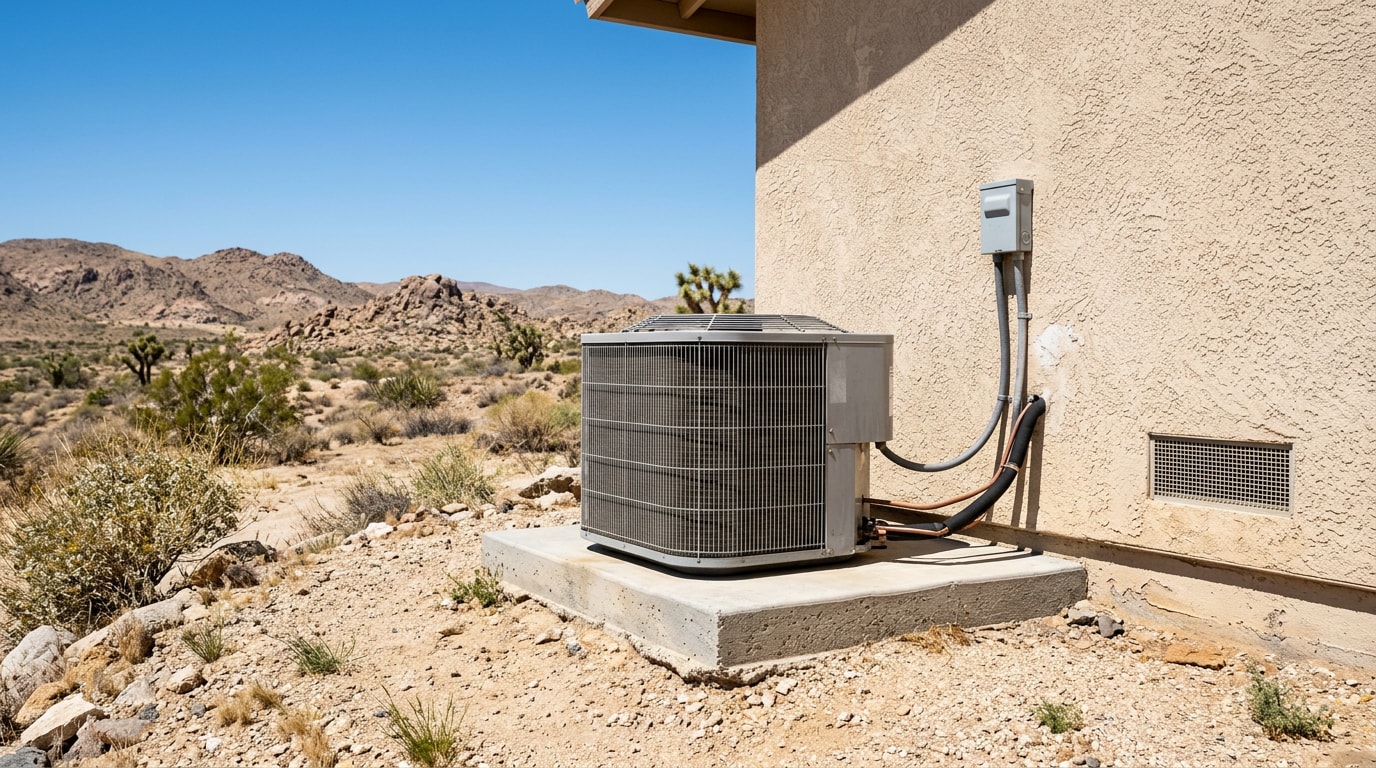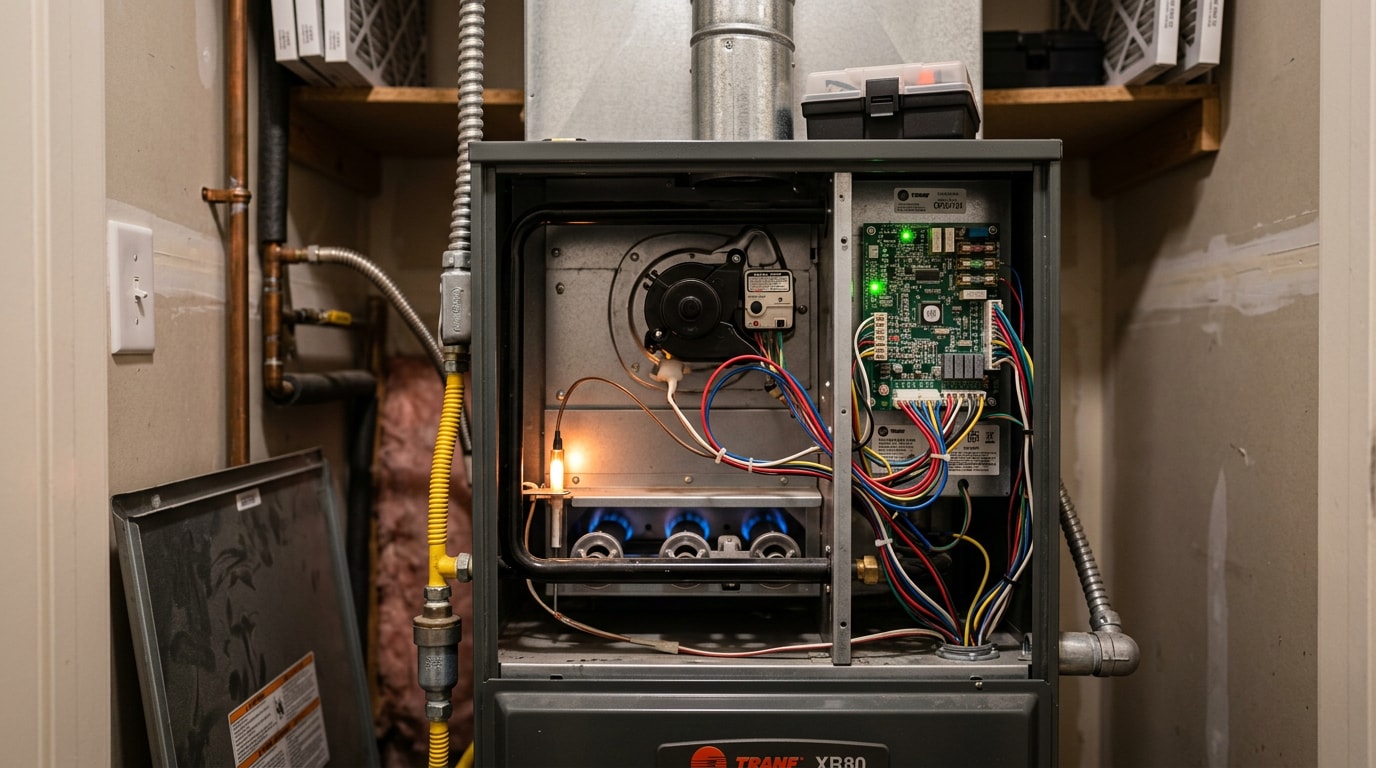

Your condenser HVAC unit in Florence, AZ sits outside in some of the hottest air in the country and works nonstop through a brutal cooling season. When it starts failing, you notice fast: warm air, short cycling, or a fan that won't spin. This guide covers the real causes, 2026 repair and replacement costs, and the maintenance steps that keep a Florence condenser running longer.
Signs Your AC Condenser Is Failing
The outdoor condenser pulls heat out of the refrigerant your indoor coil just absorbed and releases it into the outside air so the cooling cycle can start over. When that heat-rejection process breaks down, cooling performance drops immediately.
Across the service calls we run near Magma Ranch and the historic district closer to downtown Florence, dust-clogged condenser coils cause more mid-summer breakdowns than any other single issue, simply because the fine desert grit builds up faster than most homeowners expect. If your system shows any of the warning signs below, an AC repair technician can usually confirm the cause in one visit.
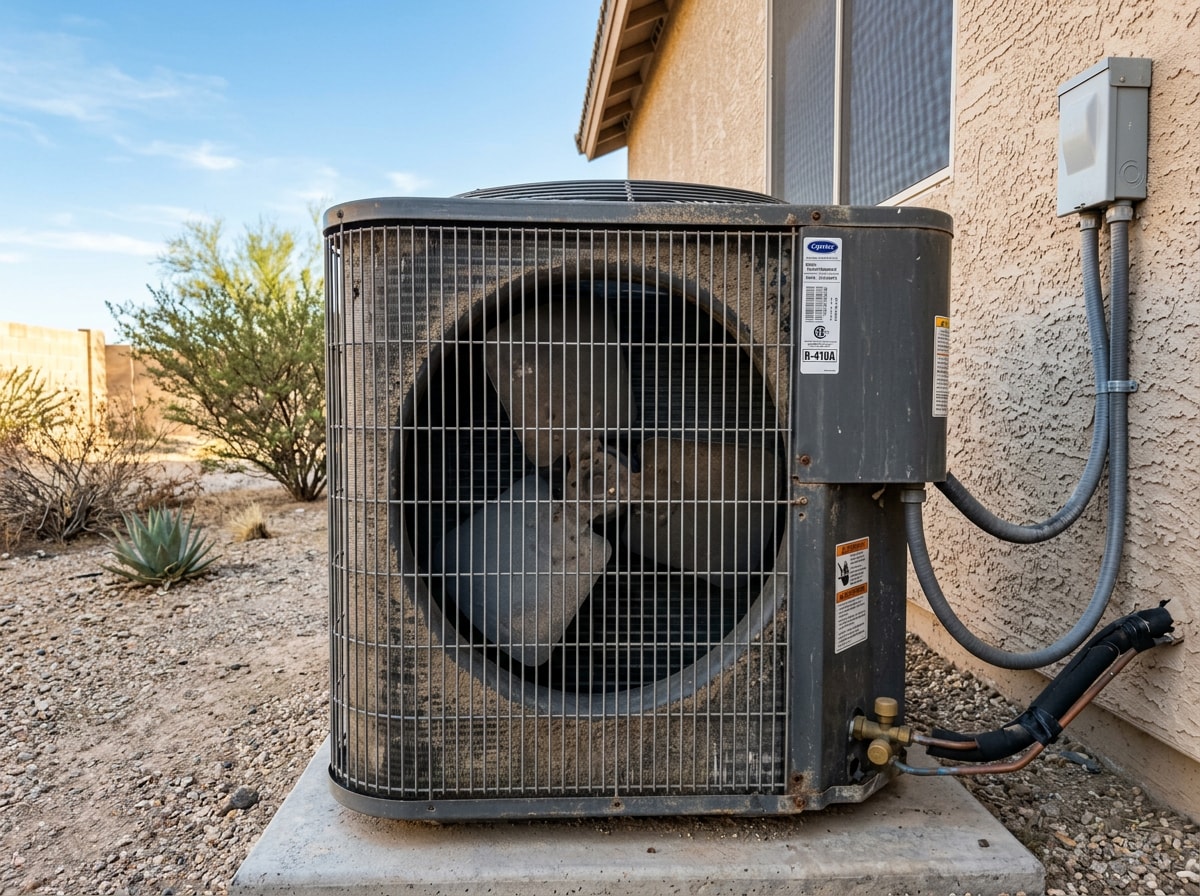
How Do I Know If My Condenser Fan Motor Is Bad?
A failing condenser fan motor usually shows up as one of these signs:
- Warm air blowing from the vents instead of cool air
- The unit overheating and shutting itself off mid-cycle
- Loud grinding, rattling, or humming from the outdoor cabinet
- A fan blade that won't spin even though the system is running
Catching these signs early keeps a simple motor swap from turning into a compressor failure. A unit that's completely dead on a 110°F day is also a fair reason to call for emergency AC repair rather than waiting for a standard appointment.
Can a Home AC Condenser Be Repaired?
Yes, in most cases. Condenser repair is almost always possible unless the compressor itself has failed or the cabinet has suffered serious physical or storm damage. Age, refrigerant type, and the repair cost compared to the unit's remaining lifespan usually guide whether repair or replacement makes more sense.
Common AC Problems in Florence Homes
Short cycling, where the system turns on and off in rapid bursts, often points to an oversized unit, a bad thermostat, or an electrical fault. A dirty condenser coil is another frequent culprit; caked-on dust blocks heat transfer and forces the system to run longer for less cooling. If your AC is running constantly but still not cooling, low refrigerant from a slow leak is also worth checking before assuming the compressor is at fault. Homeowners dealing with pooling water near the indoor unit should also rule out a blocked condensate line, which is a separate but related failure point covered in our guide to AC leaks in Florence.
What Florence Heat Does to Your Condenser
Florence summers regularly push well past 105°F, and official climate tracking backs that up. The year 2025 ended up being the 2nd warmest year recorded in the history of Phoenix, Arizona. That same year, the region logged an average August high near 109°F with highs spiking into the 118°F range during peak heat events, according to National Weather Service station data for the Phoenix area.
That heat makes condenser heat rejection far harder, since the unit has to dump heat into air that's already extremely hot. The result is added strain on compressors, fan motors, and capacitors that shortens component life and raises failure risk during the peak months of June through September.
What's Included in an HVAC Tune-Up
A thorough tune-up checks refrigerant levels, inspects both the condenser and evaporator coils for buildup, tests electrical components, and confirms airflow through the ductwork. Coil cleaning is not optional for AZ systems. Dirty coils reduce the system's ability to cool your home and cause the system to run longer, increasing energy costs and reducing the life of the equipment.
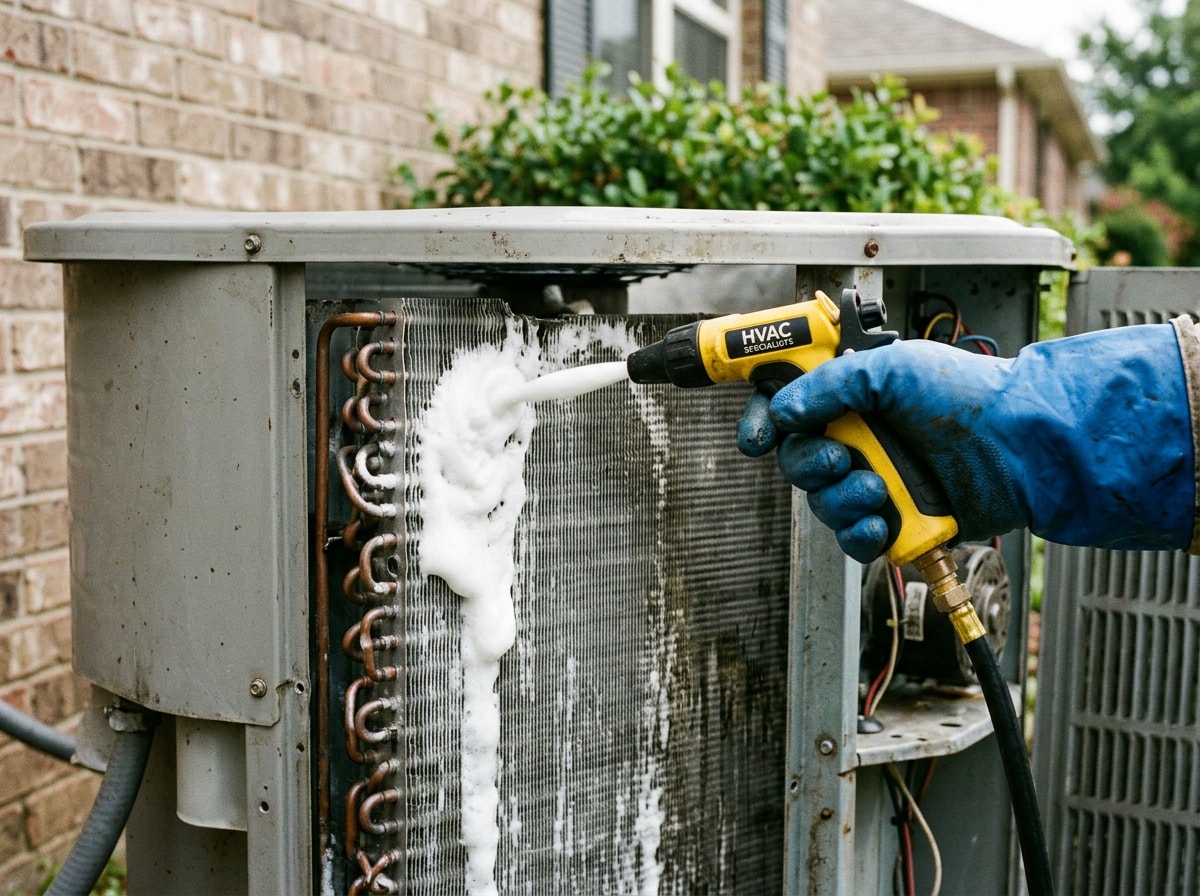
An annual AC maintenance visit catches small issues, like a weak capacitor or a slightly low refrigerant charge, before they turn into a no-cool emergency.
AC Condenser Repair and Replacement Costs in Florence
Repair cost depends on tonnage, part availability, and how much dust and heat have already worn down components. These are general 2026 ranges for Florence-area service calls:
| Repair Type | Typical Cost Range |
|---|---|
| Capacitor or contactor replacement | $150 – $450 |
| Condenser fan motor replacement | $400 – $900 |
| Refrigerant leak repair | $300 – $1,600 |
| Compressor replacement | $1,800 – $3,500+ |
| Thermostat replacement | $150 – $400 |
If the condenser itself is beyond repair, replacing the full outdoor unit typically runs $2,500 to $5,000 installed, depending on tonnage and SEER2 rating. After-hours or emergency calls run higher, and larger-tonnage systems common in Florence homes cost more to service than smaller units.
Ready for a straight answer on your own system? Schedule a free inspection and get an exact number before any work begins. If the unit is past its useful life, ask about AC replacement options instead of sinking more money into an aging condenser.
Protecting Your Condenser in Florence's Climate
A few habits go a long way toward protecting your investment:
- Check or replace filters monthly during peak cooling season
- Keep attic insulation in good shape to reduce overall system load
- Clear brush, leaves, and debris from around the outdoor unit
- Schedule a coil cleaning before the heat ramps up each spring
Homeowners anywhere in Florence, AZ can pair these habits with a seasonal maintenance plan to extend condenser life well beyond its expected years. If a motor or capacitor does fail outside of maintenance, AC unit repair handles the fix without replacing the whole system.
FAQ
What Does a Condenser Actually Do in My HVAC System?
The condenser is the outdoor unit of your AC system. It takes the heat your indoor evaporator coil absorbed from inside your home and releases it outside, then sends cooled refrigerant back inside to continue the cycle. Without a working condenser, the system can't reject heat and won't cool your home.
Can Monsoon Storms Damage My AC in Florence?
Yes. Monsoon winds can blow debris into condenser coils, heavy rain can flood electrical components, and lightning-related power surges can damage capacitors and control boards.
How Long Does an AC Condenser Last?
LIFE SPAN: 10-15 years is the typical range cited for central air conditioners, but Arizona's long, heavy-use cooling season often pushes failures toward the earlier end of that range. Equipment nearing the end of its service life also tends to lose efficiency well before it fails outright.
What Are the Signs of a Failing AC Compressor?
Signs of a failing compressor include warm or inconsistent airflow, banging or grinding noises from the outdoor unit, breaker trips, and a noticeable drop in cooling efficiency. Compressor replacement is often the next step once several of these symptoms appear together.
How Much Does It Cost to Replace an Entire AC Condenser?
A full condenser replacement typically runs $2,500 to $5,000 installed in Florence, depending on tonnage, SEER2 rating, and how accessible the unit is. Repairing a single failed part, like a fan motor or capacitor, almost always costs less than replacing the whole unit.
This guide was put together by the licensed HVAC technicians at Cobre Valley Air, who diagnose and repair condenser failures across Florence and the surrounding Pinal County communities. Questions about your own system? Reach out here.