Heating radiators in Gold Canyon, AZ keep a surprising number of custom-built and older homes warm through the region's cool desert nights. When a hot water or steam system loses efficiency, cold spots and climbing utility bills follow close behind. Here's how our licensed technicians diagnose, repair, and maintain radiator heat so it performs the way it's supposed to.
Why Some Gold Canyon Homes Still Run on Radiator Heat
Most East Valley homes rely on furnaces or heat pumps, but hydronic (water-based) radiator systems remain common in custom builds, older properties, and homes retrofitted by a previous owner. These systems move hot water or steam through pipes into radiators, which release heat into the room as it circulates. The U.S. Energy Information Administration still classifies this as one of the two primary residential heat-distribution methods, alongside ducted forced-air systems, which tells you it's a legitimate, supported technology, not an outdated one.
If your home runs on radiator heat, keeping that system tuned up matters just as much as caring for any forced-air setup. You can see our full range of heating and cooling work on the Cobre Valley Air homepage.
Radiator Heating Services We Offer
We handle every stage of radiator ownership, from first install to seasonal tune-up, through our HVAC contractor team.
Radiator Heating Installation
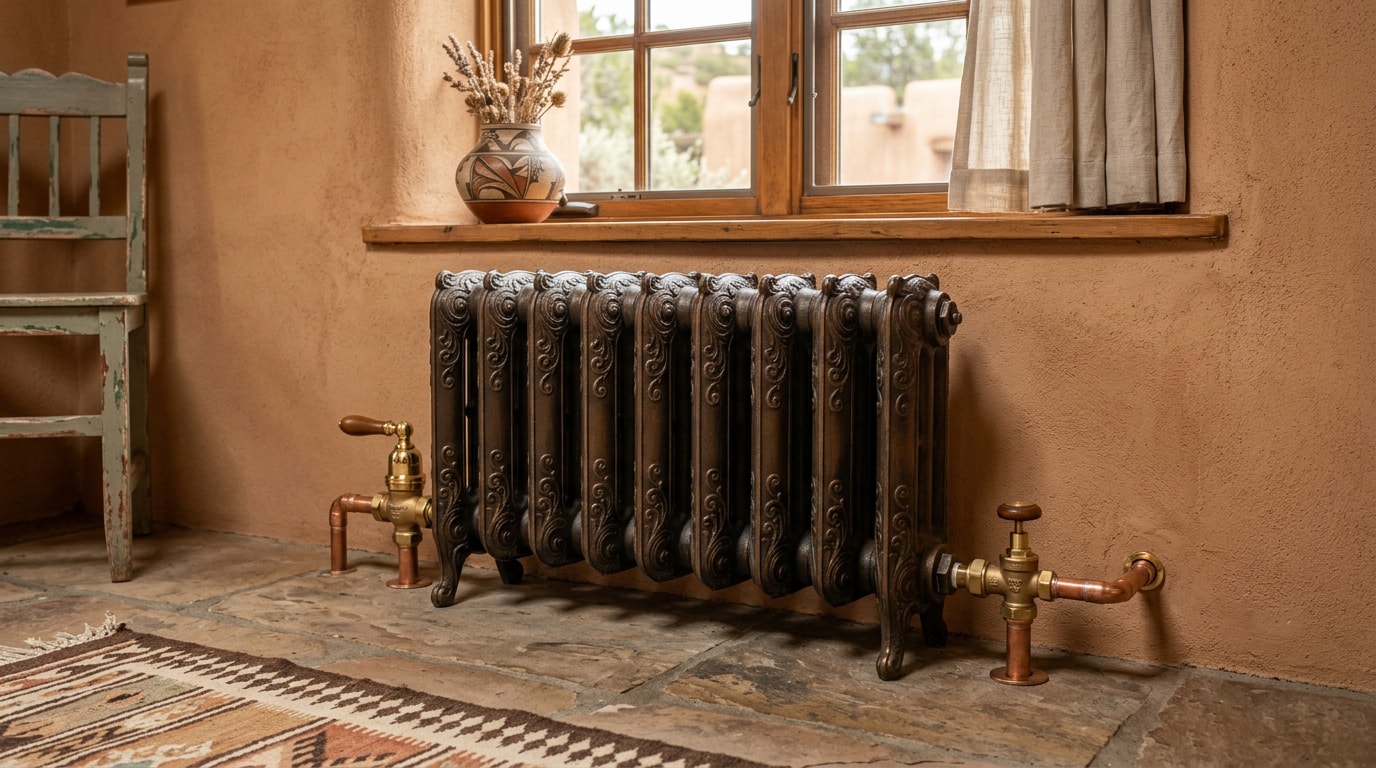
Choosing between steam and hot water systems depends on your home's layout and existing plumbing. Common radiator types include:
- Cast iron radiators for durability and long, steady heat retention
- Steel panel units for faster heat-up and a lower profile
- Designer column models for smaller rooms or tight spaces
Correct installation means proper sizing and placement. An undersized unit struggles to heat a room evenly, no matter how well it's built.
Radiator Repairs
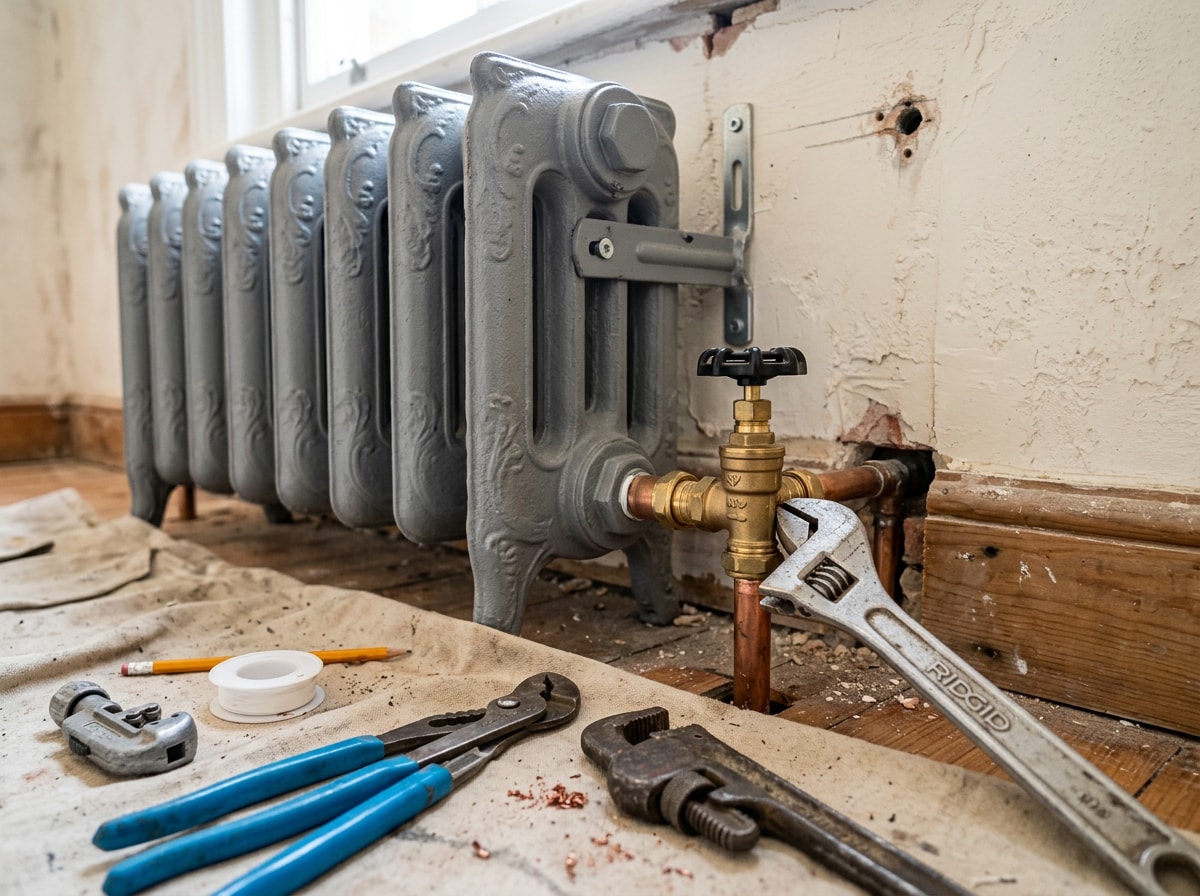
A proper repair starts with diagnosis: checking for leaks, corrosion inside the unit, blocked airflow, and worn valves that cause uneven heating. Once we identify the cause, we repair or replace the failing part and test heat distribution across the whole system.
That final verification step matters. It confirms the fix actually solved the problem instead of just masking it for a few weeks. Our HVAC repair technicians run this same check-and-verify process on every call.
Radiator Maintenance
A seasonal tune-up keeps a radiator system running efficiently before the cooler months arrive. A typical visit includes:
- Bleeding radiators to release trapped air
- Boiler inspection and cleaning
- Checking pressure and safety valves
- Testing thermostat and zone controls for even heat delivery
This is the same logic behind our broader HVAC maintenance plans, just adapted for hydronic equipment instead of ducted systems.
System Upgrades and Retrofitting
Older radiator systems don't always need full replacement. A retrofit might involve a boiler upgrade for better efficiency, a smart thermostat for zone-by-zone control, or converting an aging steam system to hot water for quieter, more even heat. Some homeowners decide to move away from hydronic heat entirely and switch to a furnace installation or a mini split installation instead, especially in additions where running new hot water piping isn't practical.
Common Radiator Problems We Fix
Most radiator problems fall into three categories: slow or uneven heating, leaks, and unusual noises. Here's how to tell what's happening and whether it's safe to handle yourself.
| Symptom | Likely Cause | DIY-Safe? |
|---|---|---|
| Cold top, warm bottom | Trapped air | Yes, bleed the radiator |
| Cold throughout, radiator not heating | Circulation or pump issue | No, call a technician |
| Clanking or banging noise | Water hammer or loose piping | No, needs professional inspection |
| Puddling or rust near fittings | Radiator leak at a valve or seam | No, needs repair |
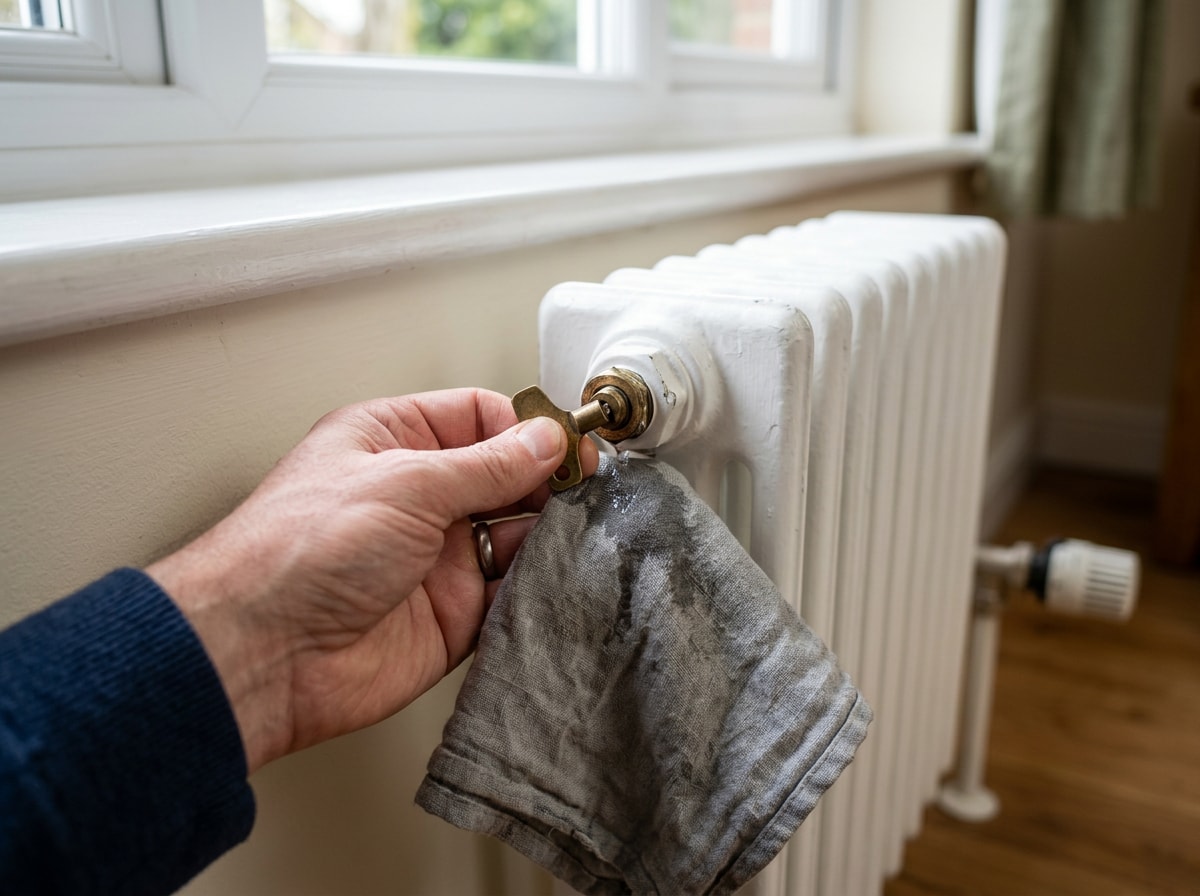
In more than a decade of service calls across Gold Canyon and the surrounding foothills, I've opened up hot water systems that had never been flushed and found rust-colored sediment clogging the valves. Gold Canyon's hard, mineral-heavy well water speeds up that buildup. The National Board of Boiler and Pressure Vessel Inspectors notes that boiler scale forms when untreated water is heated and minerals precipitate onto internal surfaces, reducing efficiency and eventually damaging components. That's one reason regular flushing matters more here than in areas with softer municipal water.
What Radiator Repair and Replacement Actually Cost
Pricing varies by the type of system and the extent of the damage, but national cost data for residential radiator work tends to land in fairly consistent ranges:
| Service | Typical Cost Range |
|---|---|
| Bleeding a radiator | $75 to $150 |
| Minor valve or leak repair | $150 to $500 |
| Full radiator replacement (single unit) | $500 to $2,500 |
| Boiler replacement (whole system) | $1,500 to $15,000 |
Boiler age and condition usually drive the final number more than the radiators themselves. If your boiler is original to the house and your radiators are failing one at a time, it's worth having both evaluated together rather than patching radiators individually for years.
Why Gold Canyon Homeowners Choose Us
Our ROC-licensed technicians have hands-on experience with hydronic and radiator systems, not just standard forced-air equipment. When you're searching for radiator repair near Gold Canyon, you want a contractor who diagnoses the real problem instead of guessing. See how we serve Gold Canyon and the surrounding East Valley.
If you're also weighing coverage on a future boiler or furnace replacement, our AC warranty guide for Gold Canyon homeowners walks through how manufacturer and labor warranties typically work, since the same principles apply across most heating and cooling equipment.
Ready to get your radiator system checked before the next cold snap? Get a free estimate and we'll schedule a technician.
FAQ
How Do Radiator Heating Systems Work?
A boiler heats water or produces steam, which travels through pipes into each radiator and releases heat into the room as it circulates. The cooled water or condensed steam returns to the boiler to repeat the cycle. The Air-Conditioning, Heating, and Refrigeration Institute has a plain-language breakdown of hydronic heating if you want the fuller technical picture.
What Are Common Signs a Radiator Needs Repair?
Watch for leaks, loud clanking or banging, uneven heat across rooms, a cold radiator that won't warm up, or inconsistent temperature control despite thermostat adjustments. Any of these points to a repair need rather than something you can ignore.
Can I Replace One Radiator, or Do I Need to Replace the Whole System?
Replacing a single radiator usually works fine if the rest of the system is in good shape. Widespread corrosion, frequent leaks, or a system nearing the end of its typical lifespan usually calls for whole-system replacement instead.
How Much Does Radiator Repair Cost?
Most minor repairs, like fixing a valve or sealing a small leak, run $150 to $500. Bleeding a radiator is closer to $75 to $150. Full radiator replacement typically falls between $500 and $2,500 per unit, while a boiler replacement can range from $1,500 to $15,000 depending on size and efficiency rating.
How Often Should I Bleed My Radiator?
Most homes benefit from bleeding each radiator about once a year, ideally just before the heating season starts. If bleeding doesn't fix a cold radiator, the issue is likely mechanical, and it's time to call a professional.
Is Radiator Heat Common in Arizona Homes?
It's less common than furnaces or heat pumps, but it's far from rare. Older homes, custom builds, and some retrofitted properties around Gold Canyon still run on hot water or steam radiators, and the systems work fine here as long as they're maintained.
---
This guide was written with input from Cobre Valley Air's licensed field technicians, who service hydronic and radiator systems throughout the Gold Canyon area. For a hands-on evaluation of your system, contact our team.