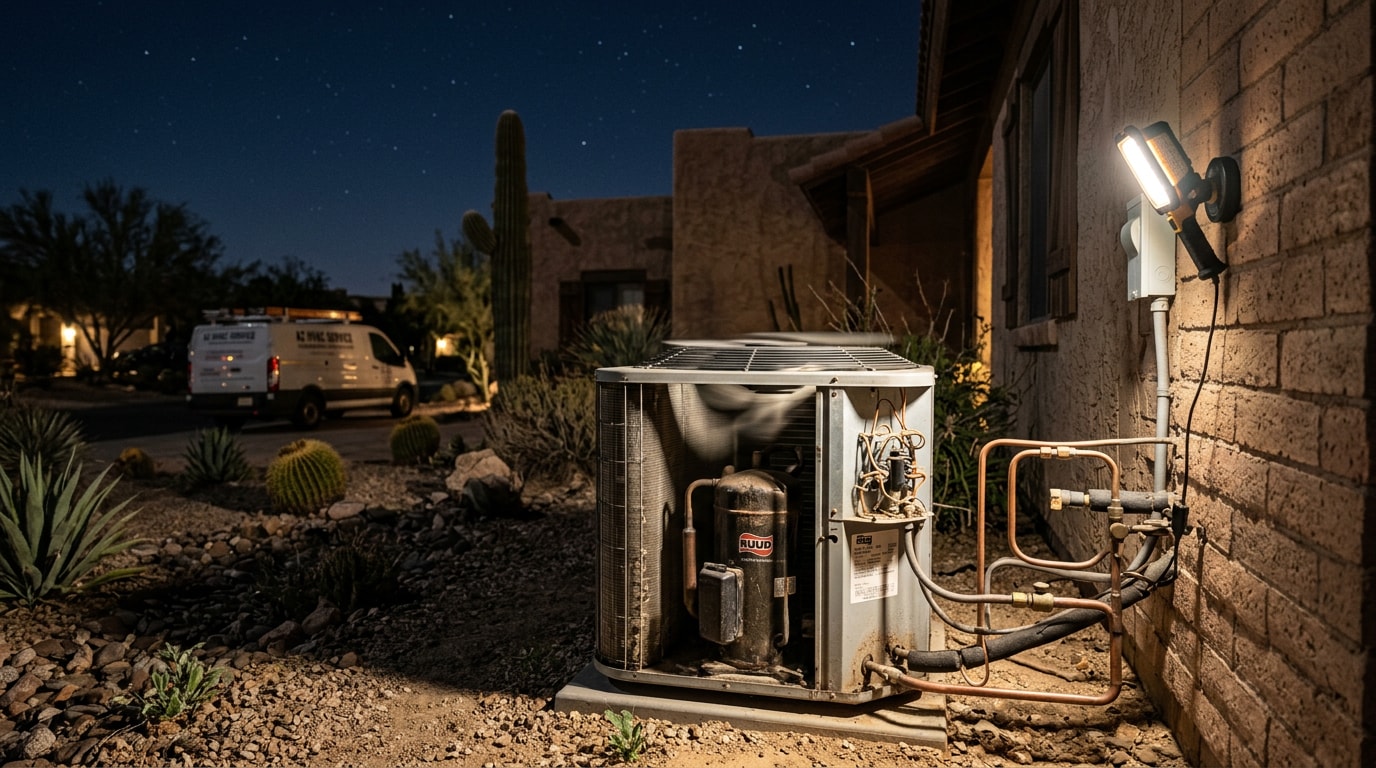
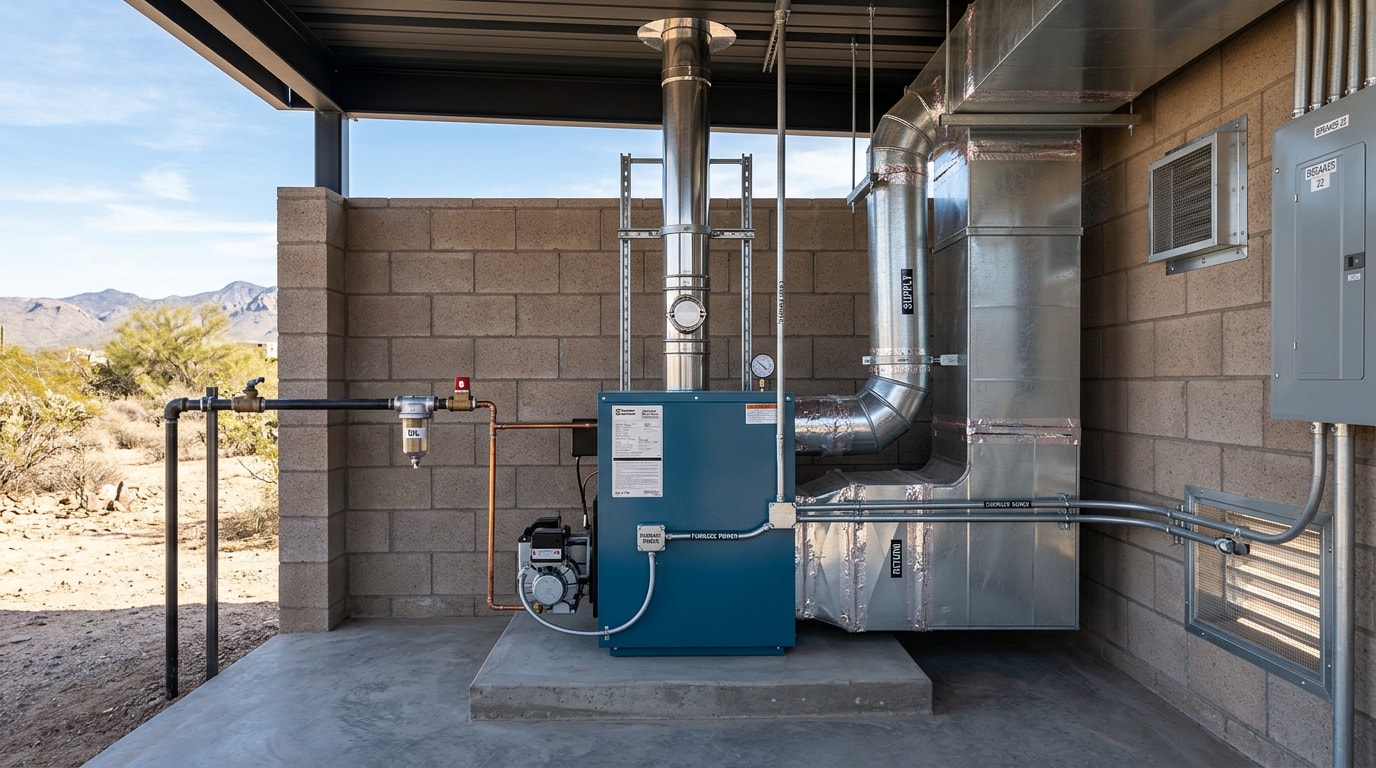
Oil furnace installation in Queen Creek, AZ is a specialty job, not a routine one, because so few Valley homes are set up for an on-site fuel tank. If your home already has the oil infrastructure, a correctly sized, code-compliant install still matters for safety and resale value. Here's what actually goes into the job, what it costs, and when a different system makes more sense.
Is Oil Furnace Installation Even Common in Queen Creek, AZ?
Not really, and it's worth saying plainly before anyone spends money on one. Heating oil is the main heating fuel for a small share of U.S. households, and the vast majority of them are concentrated in the Northeast, where cold winters and limited natural gas access made oil the practical choice decades ago.
Queen Creek's climate looks nothing like that. Average January lows here sit in the low 40s, nowhere near the sustained freezes that justify an oil-fired system. Most local oil furnaces we see are leftovers in older homes that already have a buried or above-ground tank and fuel lines from a previous owner or builder.
If that infrastructure exists, replacing an aging oil unit with a modern, higher-AFUE model can still make financial sense. If you're starting from scratch, a gas furnace or heat pump almost always costs less to install and run long-term. We'll give you a straight answer either way during a free estimate; see our furnace installation service page for what's included.
What Makes Oil Furnace Installation Different From Gas or Electric
An oil-fired furnace draws fuel from a stored tank instead of a utility gas line. That single difference changes the entire install:
- Fuel line routing from the tank to the furnace, sized and sealed to code
- Tank placement and sizing, indoors or outdoors, with proper clearances
- Dedicated venting for combustion byproducts, separate from standard gas venting
- Combustion air supply calculations specific to oil burners
The National Fire Protection Association's standard for oil-burning equipment installation governs exactly how these systems have to be piped, vented, and clearanced. It's a different rulebook than the one gas installers work from, which is part of why not every HVAC company in the Valley touches oil-fired equipment.
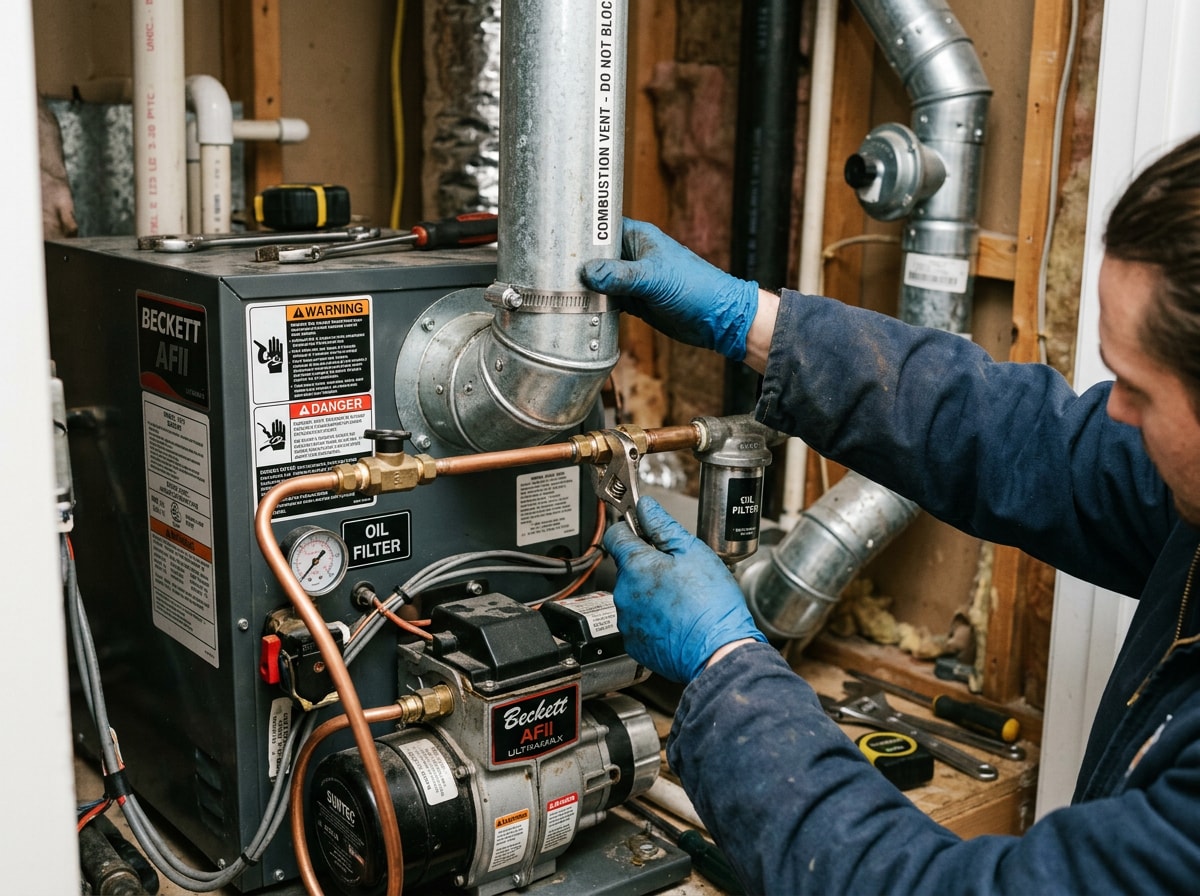
Our Furnace Installation Process
Every install, oil or otherwise, follows the same core sequence:
- Load calculation based on square footage, insulation, window placement, and duct layout to prevent short-cycling or uneven heat
- Old unit removal and disposal
- Fuel, electrical, or venting connections, made to manufacturer spec and local code
- Ductwork sealing and connection, checked for leaks that waste conditioned air
- System testing and calibration before we sign off on the job
For oil-fired equipment specifically, we test combustion venting carefully to rule out backdrafting or carbon monoxide risk before we leave. That step is not optional; it's the one place a rushed install turns into a safety problem.
Permits, Code Compliance, and Warranties
We pull the required permits on every installation so the job meets local building code from day one. Skipping that step is a shortcut some crews take, and it tends to surface as a problem later, usually at resale when a home inspector flags unpermitted mechanical work.
New systems typically carry a manufacturer warranty on parts, and we add our own labor warranty on top. Registering the equipment promptly after install often extends manufacturer coverage, so we handle that paperwork as part of the job rather than leaving it for you to remember.
What Does Furnace Installation Cost in Queen Creek?
Pricing depends heavily on fuel type, home size, and whether ductwork needs work. Here's how the main options generally compare for an installed system in our service area:
| System Type | Typical Installed Cost | Notes |
|---|---|---|
| Gas furnace | $3,000 to $7,500 | Most common choice for new installs in the Valley |
| Heat pump | $4,500 to $9,000 | Handles both heating and cooling |
| Oil furnace | $4,000 to $10,000+ | Higher cost if tank or fuel lines need work |
Oil installs land at the higher end mainly because fewer local suppliers stock the equipment, parts sometimes require special ordering, and tank or fuel-line work adds labor hours a gas install doesn't need.
Leading Furnace Brands We Install
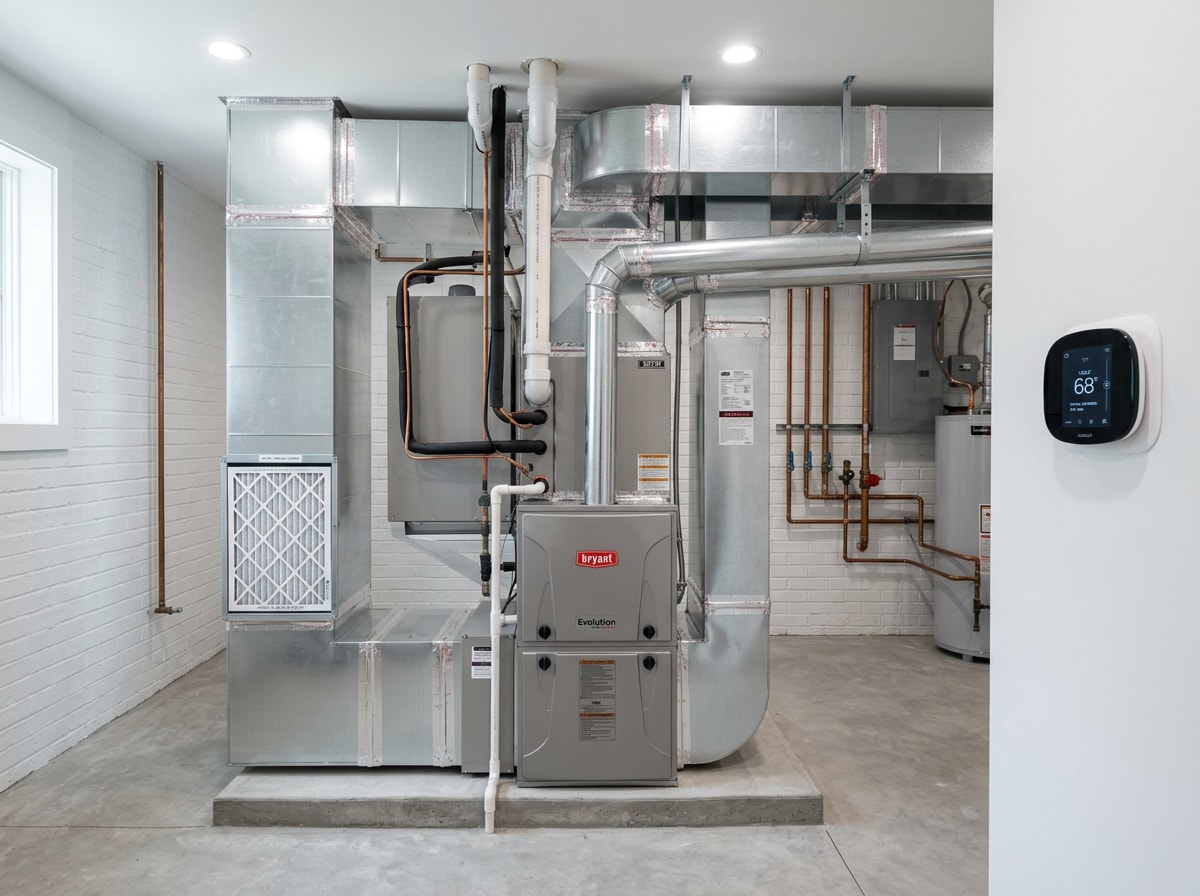
We install equipment from established furnace manufacturers rather than off-brand units with thin parts support. That choice matters more than people expect: better parts availability means faster repairs later, and a stronger manufacturer warranty backs you up if something fails early. A furnace like this is only as good as the AFUE efficiency rating it carries, and the Department of Energy's Energy Star program sets a minimum 87% AFUE for qualifying oil furnaces, well above what older oil units typically deliver.
Who's Doing the Work
Cobre Valley Air is a locally owned HVAC contractor holding Arizona ROC license #339078, with BPI certification and membership in the Arizona Heat Pump Council. Owner Tyler Pearce built the company on a simple rule: recommend the system that fits the house, not the one with the best margin. On oil-specific jobs, that's meant telling more than one Queen Creek homeowner that a gas conversion would save them money over the oil unit they called about, and walking them through both numbers before they decided.
We handle furnace installation, furnace replacement, furnace inspection, and furnace maintenance throughout the Queen Creek area, along with full HVAC contractor services like mini-split systems for homes that would rather skip combustion heating altogether. You can see completed jobs on our projects page.
Ready to find out what your home actually needs? Get a free estimate and we'll walk the system with you before recommending anything.
FAQ
Is oil furnace installation available in Queen Creek, AZ?
Yes, though it's uncommon. We install and service oil-fired furnaces for homes that already have a tank and fuel lines in place. For new construction or homes without that infrastructure, we'll usually recommend gas or a heat pump instead.
How long does a furnace installation take?
Most gas or electric installs finish in a single day. Oil furnace installs can run longer, usually one to two days, if fuel line work, tank placement, or dedicated venting is involved.
What is the average cost of furnace installation in Queen Creek?
Gas furnace installs typically run $3,000 to $7,500 installed. Oil furnace installs run higher, generally $4,000 to $10,000 or more, since equipment and parts often require special ordering locally.
Do you offer same-day furnace installation?
Same-day installation is possible for standard gas or electric systems when the unit is in stock and no major ductwork changes are needed. Oil furnace jobs and larger ductwork projects need to be scheduled in advance.
Is an oil furnace a good choice for a Queen Creek home?
Usually not for new installations. Arizona's mild winters and the extra cost of fuel tanks and specialized venting mean a gas furnace or heat pump typically delivers better value. If you already have working oil infrastructure, replacing an aging unit can still make sense, and we'll help you compare the real numbers for your home's specific setup.
What size furnace does my home need?
Furnace size depends on square footage, insulation, window placement, and duct layout, not a flat rule of thumb. We run a full load calculation before quoting any system so you're not stuck with a unit that short-cycles or leaves rooms unevenly heated. For a broader look at how we handle warranty questions on comfort equipment, see our AC warranty guide for Gold Canyon homeowners, which covers similar coverage terms that apply to heating systems too.